Understanding Acupuncture: How It Connects to Nerves and Neuromodulation


Acupuncture is often seen as an ancient healing art. Its roots in Traditional Chinese Medicine (TCM) go back thousands of years, yet modern science is steadily mapping how it interacts with the nervous system and produces measurable physiological effects.
Rather than “energy flows,” current biomedical research explains acupuncture primarily through nervous system activation, neural signaling, and neuromodulation — the same basic principles used by modern therapies like Posterior Tibial Nerve Stimulation (PTNS) and vagus nerve stimulation.
Acupuncture, Dermatomes, and Nervous Pathways
In Western medicine, dermatomes are defined areas of skin served by specific spinal nerve roots. Peripheral nerves carry sensory signals from those areas into the spinal cord and brain. Interestingly, many acupuncture points are located at sites rich in nerve endings, connective tissue planes, and neurovascular structures, making them naturally effective places to interface with the nervous system.
When a needle is inserted into an acupoint, it doesn’t act mystically — it activates sensory nerve fibers (especially A-delta and C fibers), sending signals along peripheral nerves into the spinal cord and up to the brain. These signals engage spinal reflex loops, influence the autonomic nervous system, and can modulate pain and other physiological functions.

What Is Neuromodulation?
Neuromodulation refers to altering nerve activity through targeted stimulation — electrical (as in PTNS or implanted devices) or mechanical (as in acupuncture needles). In Western clinical terms, acupuncture provides a physical stimulus that changes how nerves send and receive signals, which in turn influences:
- Pain processing
- Autonomic balance (stress vs rest-and-digest)
- Neurotransmitter release
- Organ reflex regulation
This neural effect is supported by both imaging and physiological studies demonstrating that acupuncture can engage brain areas involved in pain and autonomic control, such as the limbic system and hypothalamus.
Example: Tibial Nerve Stimulation and Acupuncture
One very clear example of the Western biomedical connection is the overlap between acupuncture and Posterior Tibial Nerve Stimulation (PTNS).
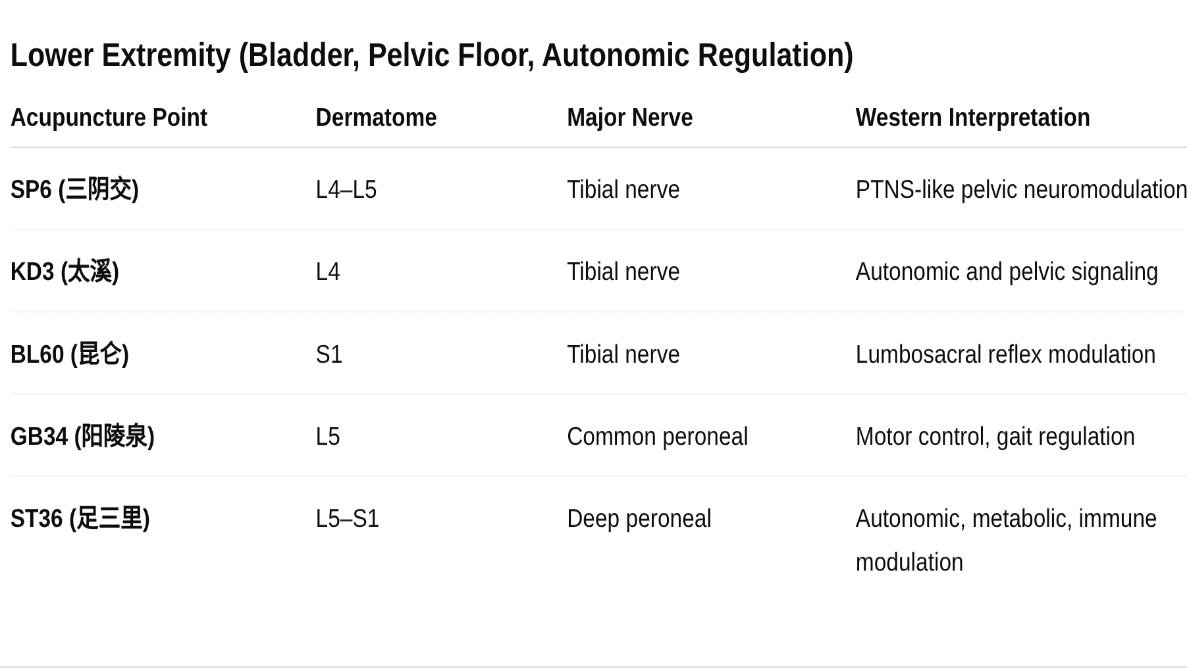
The point SP6 (三阴交) lies directly over the tibial nerve, which arises from the L4–S3 spinal segments — the same segmental levels that manage pelvic organ and bladder function.
PTNS is an FDA-approved nerve stimulation therapy for an overactive bladder (OAB) that uses electrical stimulation of the tibial nerve to modulate sacral neural circuits.
In acupuncture, needling SP6 (along with points like KD3 and BL60) engages the same neural pathway but without implanted hardware — highlighting how acupuncture can serve as a form of manual neuromodulation.
👉 This is not a coincidence. It’s anatomy.
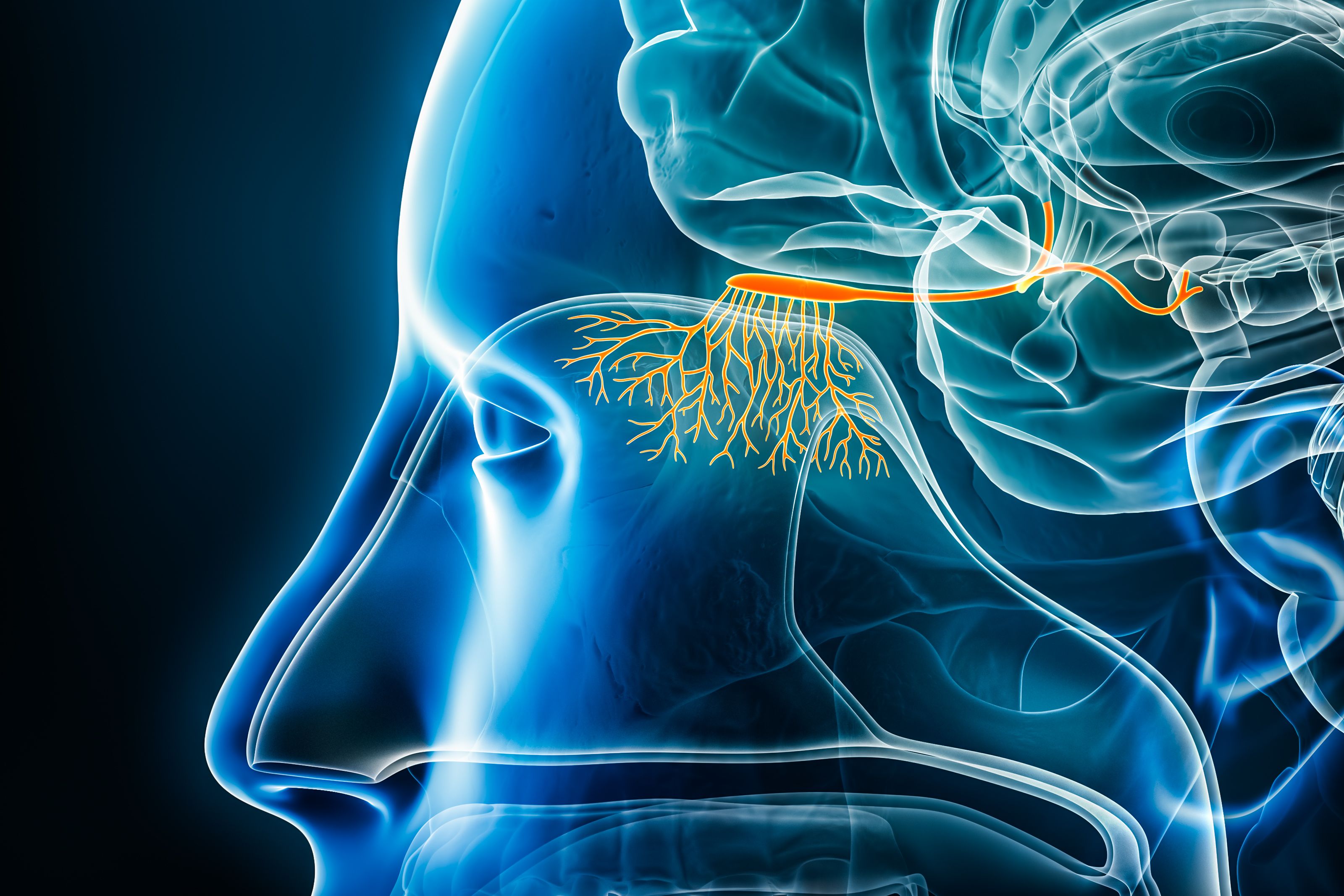
When a needle is inserted into an acupoint, it doesn’t act mystically — it activates sensory nerve fibers (especially A-delta and C fibers), sending signals along peripheral nerves into the spinal cord and up to the brain. These signals engage spinal reflex loops, influence the autonomic nervous system, and can modulate pain and other physiological functions.
Understanding Neuromodulation
Neuromodulation refers to altering nerve activity through targeted stimulation — electrical (as in PTNS or implanted devices) or mechanical (as in acupuncture needles). In Western clinical terms, acupuncture provides a physical stimulus that changes how nerves send and receive signals, which in turn influences:
- Pain processing
- Autonomic balance (stress vs rest-and-digest)
- Neurotransmitter release
- Organ reflex regulation
This neural effect is supported by both imaging and physiological studies demonstrating that acupuncture can engage brain areas involved in pain and autonomic control, such as the limbic system and hypothalamus.
How Needling Translates to Healing Responses
Acupuncture influences neuromodulation through several interconnected effects:
1. Sensory Nerve Activation
Needle insertion stimulates mechanoreceptors and nociceptors in the skin and fascia, generating impulses that travel along sensory nerves to the central nervous system.
2. Neurotransmitter Release
This stimulation triggers the release of:
Endorphins (natural painkillers)
Serotonin and dopamine (mood regulation)
Other neuromodulators associated with pain, stress, and immune regulation
These changes help explain pain relief, stress reduction, and improved emotional regulation.
3. Autonomic Nervous System Balance
Acupuncture appears to shift the balance away from a chronic sympathetic stress response toward enhanced parasympathetic “rest and digest” activity, reducing cortisol and improving circulation.
4. Brain and Central Integration
Imaging studies (e.g., MRI and EEG) show that needling acupoints can modulate activity in the brain’s pain networks, limbic system (emotion), and homeostatic control centers, supporting acupuncture’s effects beyond local sites.
Research into the Skin-Brain Axis expands this concept by showing the skin’s rich neural network relays signals from surface stimulation to deeper brain regions, explaining how localized needling affects distant systems.

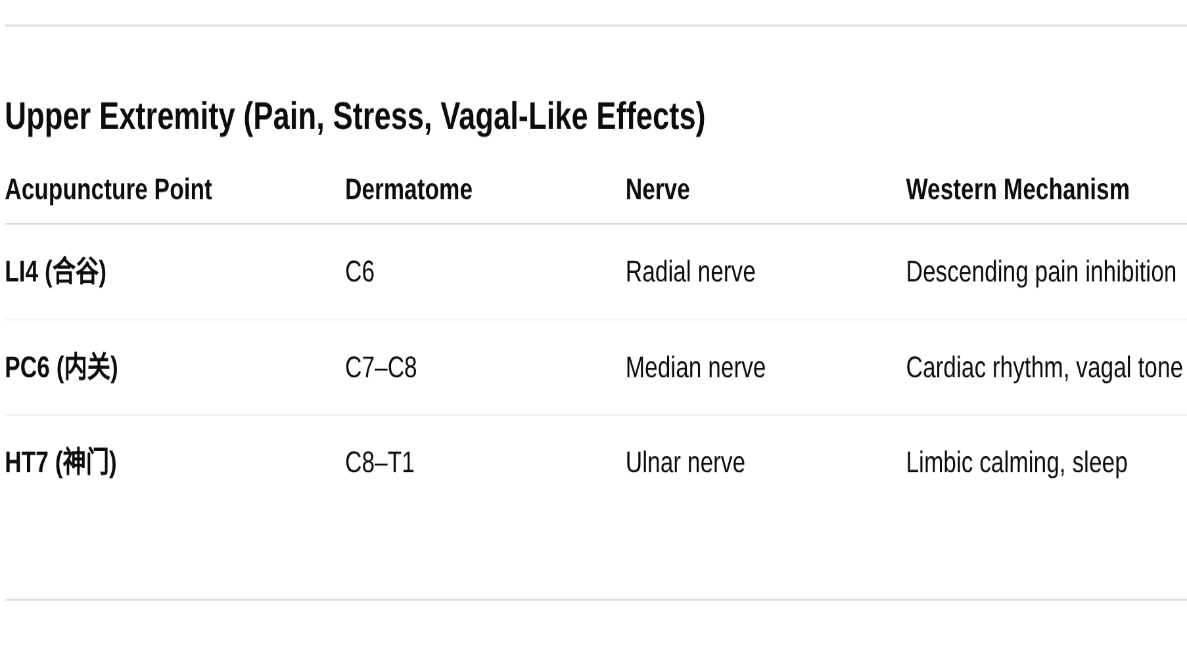
Common Acupuncture Points Mapped to Nerves and Clinical Use
How Acupuncture Affects Neuromodulation
Acupuncture points are often located near nerves, which can explain how needle insertion impacts nerve signaling. When a needle is inserted, it can create a micro-injury, prompting the body to initiate a healing response. This response includes the release of endorphins, the body's natural painkillers, helping to alleviate discomfort.
- Increased blood flow to affected areas
- Reduction in inflammation
- Enhanced release of neurotransmitters
Functional MRI studies show that acupuncture stimulation activates key neural networks, including:
• Brainstem centers that regulate autonomic function
• Limbic regions involved in emotional and stress regulation
• Cortical areas responsible for pain perception and modulation
These are the same neural circuits targeted by modern neuromodulation therapies, such as:
• Vagus nerve stimulation
• Spinal cord stimulation
• Posterior tibial nerve stimulation (PTNS) and sacral nerve modulation
Acupuncture simply accesses these systems through the skin and connective tissue instead of implanted devices.
Scientific Studies and Findings
Numerous studies have explored the connection between acupuncture and neuromodulation. Some research has shown that acupuncture can activate specific brain regions involved in pain processing and emotional regulation. This activation may explain the therapeutic effects of acupuncture on both physical and mental health.

Cases Where Acupuncture Mirrors Modern Neuromodulation
Overactive Bladder & Pelvic Floor Dysfunction
SP6, KD3, BL28 → tibial & sacral nerve modulation
Comparable mechanism to PTNS
Chronic Pain & Central Sensitization
LI4, ST36, LV3 → spinal gating & descending inhibition
Reduces pain amplification
Parkinson’s Disease (Motor & Non-Motor Symptoms)
GB34, ST36, SP6, SP9, SP10 → motor circuits, basal ganglia signaling
Similar logic to peripheral nerve stimulation research
Digestive Disorders & Metabolic Dysfunction
ST36, REN12 → vagal-like parasympathetic activation
Improves gut motility and insulin sensitivity
Furthermore, studies using functional MRI have demonstrated changes in brain activity following acupuncture treatment, supporting the theory that acupuncture can influence neural pathways and promote neuromodulation.
Why This Matters Clinically
Understanding acupuncture through the lens of nerves and neuromodulation:
- Improves point selection and clinical rationale
- Explains why some points consistently work for specific symptoms
- Allows integration with conventional therapies like physical therapy and neuromodulation
- Makes acupuncture’s effectiveness more defensible in evidence-based medicine
As research grows, we continue to see acupuncture’s place as a manual form of neuromodulation rather than an unfounded alternative. This is also why electroacupuncture and TENS—when applied correctly—can amplify outcomes by sustaining nerve signaling over time.
Takeaway
Acupuncture is not “alternative” to Western neuromodulation—it is an earlier, manual form of it, grounded in the anatomy and physiology of the nervous system. By stimulating specific points that align with neural pathways and reflex circuits, it influences how the body processes pain, stress, organ function, and even mood.
Modern biomedical research is only beginning to fully describe these effects, but current evidence shows that acupuncture’s influence on nerves, neurotransmitters, and central processing mirrors many principles found in conventional neuromodulation therapies.
Ancient practice, modern explanation — and increasingly, clinical validation.
While more research is needed to fully understand the mechanisms behind acupuncture and its effects on the nervous system, current findings are promising. The connection between acupuncture, nerves, and neuromodulation offers a fascinating glimpse into how ancient practices can complement modern medical approaches.
As interest in holistic and integrative medicine grows, acupuncture continues to be a valuable tool in promoting health and well-being by leveraging the body's natural healing processes.