Treating Spine Issues with Acupuncture: An Effective & Holistic Approach


Understanding Spine Issues: A Common Root Cause for Neck, Back, Sciatica, and Knee Pain
Spine issues are a common concern for many individuals, ranging from mild discomfort to severe pain. These issues can arise from various causes, including poor posture, injuries, or degenerative diseases. Traditional treatments often involve physical therapy or medication. However, a growing number of people are turning to acupuncture for relief.
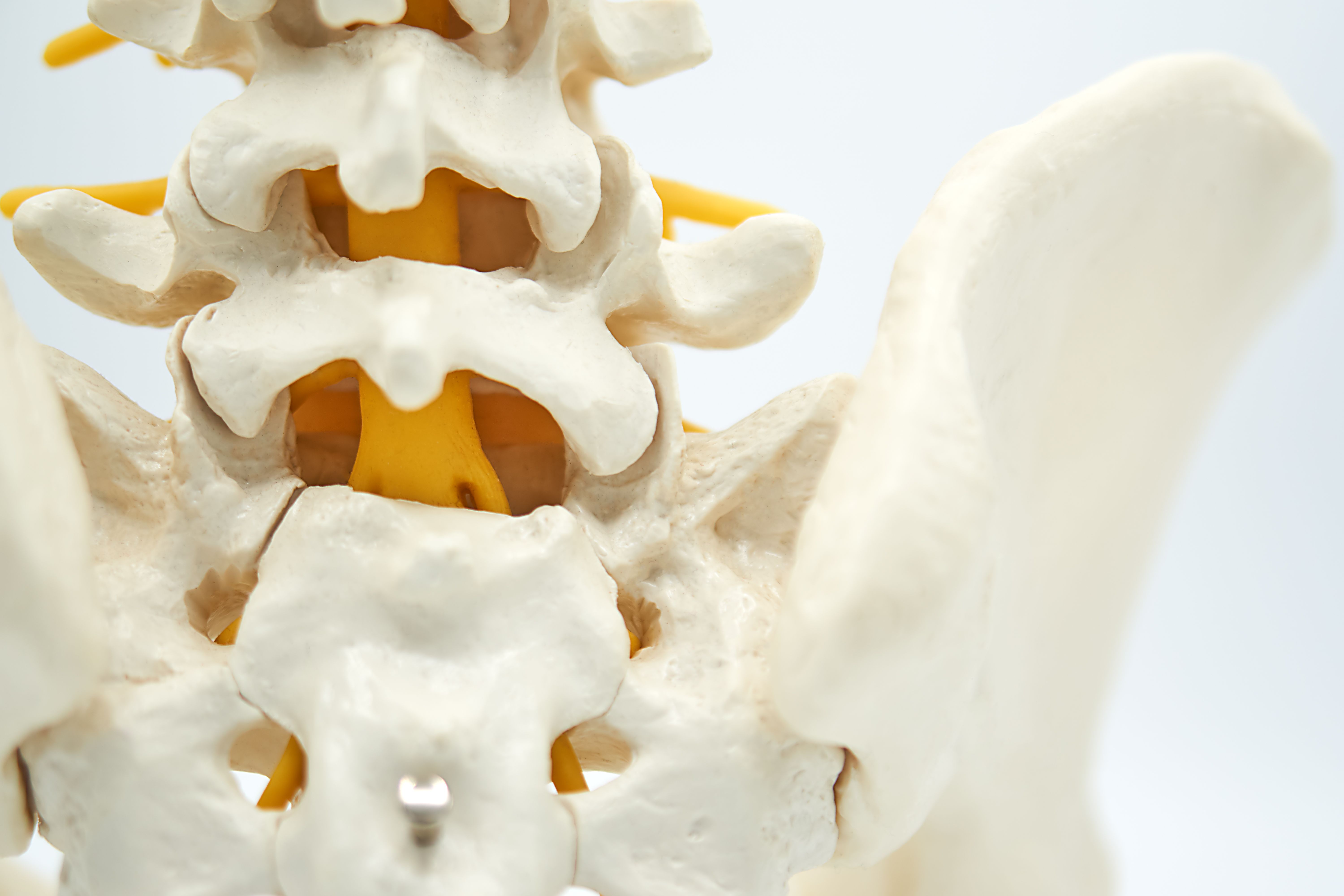
The spine is the body’s central support structure and communication highway. When spinal function is compromised—whether from poor posture, repetitive strain, injury, inflammation, or aging—it can create symptoms far beyond the back itself.
Common spine-related conditions include:
- Cervical spine dysfunction → neck pain, headaches, shoulder and arm pain, numbness or tingling
- Lumbar spine dysfunction → low back pain, stiffness, fatigue
- Nerve compression → sciatica, radiating leg pain, weakness
- Altered biomechanics → hip, SI joint, and even knee pain
In many cases, knee pain is not purely a knee problem. Altered spinal alignment or nerve signaling can change gait mechanics and load distribution, placing excess stress on the knees over time.
What Is Acupuncture?
Acupuncture is an ancient Chinese healing practice that involves inserting thin needles into specific points on the body. This technique is believed to balance the body's energy flow, known as "Qi," and stimulate natural healing processes. Acupuncture has been used for centuries to treat various health issues, including spine-related issues.
The Spine in Traditional Chinese Medicine
In Traditional Chinese Medicine (TCM), the spine is not viewed as a passive structure—it is a dynamic axis of regulation. The spine houses and protects the spinal cord, connects to the brain, and serves as a pathway for Qi (vital energy) and Blood to reach the entire body.
TCM recognizes that when circulation along the spine becomes obstructed, symptoms may manifest as: Pain and stiffness, Weakness or numbness, Reduced mobility, Chronic inflammation or degeneration.
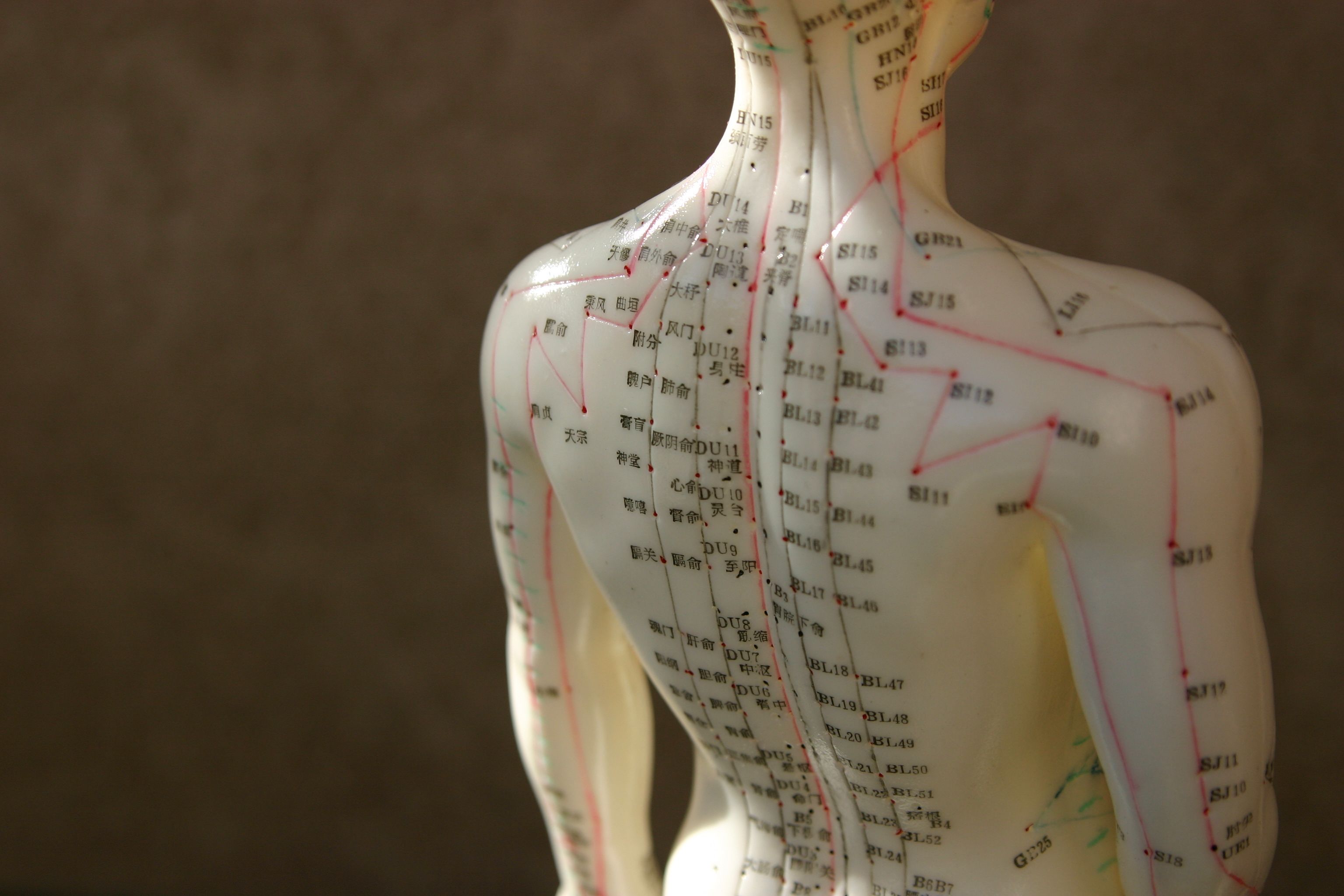
Spinal health depends on the harmonious interaction of the Du (Governing) vessel, the Urinary Bladder channels, and the surrounding musculature and fascia.
Dr. Hua Tuo: Jia Ji Points (夹脊穴) and the Origins of Acupuncture Anesthesia
Nearly 2,000 years ago, the legendary physician Dr. Hua Tuo (华佗) demonstrated an extraordinary understanding of the spine and nervous system. Dr. Hua Tuo is widely regarded as one of the earliest surgeons in medical history and is credited with developing an herbal anesthetic known as Ma Fei San (麻沸散).
Historical records describe Dr. Hua Tuo using paraspinal needling techniques—what we now recognize as Jia Ji points (夹脊穴)—to:
- Reduce pain perception
- Relax the body and nervous system
- Allow surgical procedures to be performed with minimal discomfort
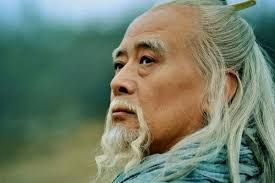
This early use of spinal-adjacent acupuncture reflects a sophisticated grasp of how stimulating points along the spine can influence sensation, movement, and consciousness—centuries before modern neuroscience.
Key Acupuncture Channels for Spine Issues: Du Channel, Jia Ji Points, and Bladder Channels
The philosophy behind acupuncture is based on the concept of energy pathways, or meridians, which connect different parts of the body. By targeting these points, acupuncture can help alleviate pain, reduce inflammation, and improve overall well-being. The treatment is known for having minimal side effects and is often considered a safe alternative to conventional methods. Some of the key benefits include:
- Pain Relief: Acupuncture can effectively reduce chronic pain by releasing endorphins, the body's natural painkillers.
- Improved Mobility: Regular sessions may enhance flexibility and range of motion, making daily activities more manageable.
- Reduced Inflammation: Acupuncture can help decrease inflammation, a common cause of spine discomfort.
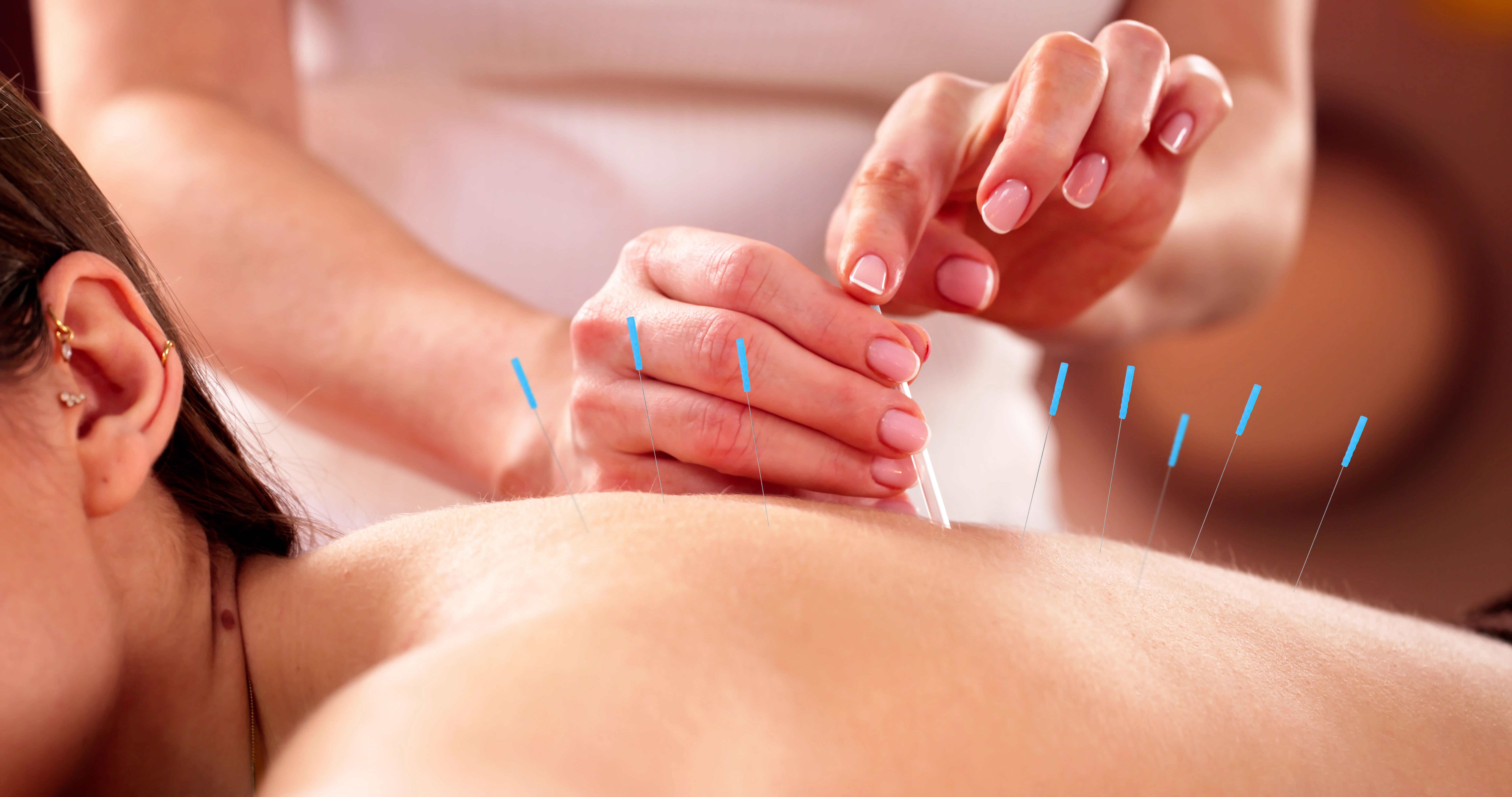
By using paraspinal needling techniques, acupuncture helps relax chronically contracted paraspinal muscles, stimulate endogenous endorphin release, and enhance lymphatic and interstitial fluid drainage along the spinal tissues. This promotes reduced inflammation, improved local circulation, and more efficient metabolic waste clearance within the spinal system.
When combined with manual therapy techniques—such as myofascial release, mobilization, or cupping—this approach effectively loosens adhesions, reduces scar tissue buildup between vertebrae and surrounding joints, and restores tissue glide. The result is meaningful pain relief, improved spinal mobility, and greater overall flexibility and functional resilience.
Three major channels in the back and spine areas are used frequently to address spine and joint issues.
1. Du Channel (督脉): The Central Axis
The Du channel runs along the midline of the spine and head. Known as the “Sea of Yang,” it governs:
The brain and spinal cord
Posture and alignment
Muscle tone and coordination
Overall vitality and nervous system balance
2. Jia Ji Points (夹脊穴): Segmental Precision
Jia Ji points are located 0.5 cun lateral to each spinous process, from the cervical spine to the lumbar region. Each pair corresponds to a specific vertebral level, influencing:
Local muscles and fascia
Nerve roots
Segmentally related organs
They are especially effective for: Disc bulges and herniations, Radiculopathy, Chronic neck and back pain, Postural imbalances
3. Urinary Bladder Channel (足太阳膀胱经): Support and Circulation
The Bladder channel runs in two parallel lines along the back about 1.5 - 3 inches from the spine:
Inner line: organ-related Back-Shu points
Outer line: muscular, fascial, and emotional regulation
This channel plays a key role in releasing tension, improving circulation, and supporting spinal stability.
Holistic Acupuncture Treatment for Common Spine-Related Conditions
Rather than treating symptoms in isolation, acupuncture addresses the entire spinal–neuromuscular system, often combining local and distal points for optimal effect.
Cervical Spine & Neck Pain
Jia Ji (C3–C7) – local release
GB20 (风池) – neck tension and headaches
SI3 (后溪) + BL62 (申脉) – regulate Du channel
Low Back Pain
Jia Ji (L3–L5) – lumbar support
DU4 (命门) – spinal strength and vitality
BL23 (肾俞) – low back stability
SI Joint & Pelvic Pain
BL27–BL28 – sacral regulation
GB30 (环跳) – hip and pelvic mobility
SP6 (三阴交) – pelvic circulation
Sciatica
BL40 (委中) – command point for the back
BL54 (秩边) / GB30 (环跳) – nerve pathway
BL60 (昆仑) – spinal flexibility
Knee Pain (Spine-Related)
ST36 (足三里) – joint support
GB34 (阳陵泉) – tendons and ligaments
BL40 (委中) – posterior chain connection
Closing Perspective
From the classical insights of Dr. Hua Tuo to modern clinical practice, acupuncture has long recognized the spine as more than a mechanical structure—it is a living communication network. By restoring circulation, calming the nervous system, and supporting alignment, acupuncture helps the body heal from the inside out.
When the spine moves freely, the entire body benefits.
Personalized Treatment Plans
One of the advantages of acupuncture is its personalized approach. Practitioners tailor each session to the individual's specific needs, ensuring targeted and effective treatment. This customization can be particularly beneficial for those with unique spine issues or underlying health conditions.
Combining Acupuncture with Other Therapies
Acupuncture is often used in conjunction with other therapies to maximize its effectiveness. Patients may find it beneficial to combine acupuncture with:
- Physical therapy
- Chiropractic care
- Massage therapy
This holistic approach can provide comprehensive care, addressing both the symptoms and root causes of spine issues.

What to Expect During a Session
During an acupuncture session, patients typically lie comfortably while the practitioner inserts needles at specific points. Most people experience little to no discomfort, and the process is generally relaxing. Sessions usually last between 30 to 60 minutes, depending on the treatment plan.
If you're considering acupuncture for spine issues, consult with a qualified practitioner to determine the best approach for your needs. With its holistic benefits, acupuncture offers a promising avenue for those seeking relief from spine-related discomfort.