Exploring Traditional Chinese Medicine: Herbal Remedies for Women's Health


Introduction to Traditional Chinese Medicine
Traditional Chinese Medicine (TCM) has been a cornerstone of health and wellness for thousands of years. With its holistic approach, TCM emphasizes balance and harmony within the body. For women, TCM offers unique insights and treatments, particularly through herbal remedies that address specific health needs.
Women’s health changes throughout every stage of life—from the menstrual years and fertility journey to pregnancy, postpartum recovery, perimenopause, and menopause. Traditional Chinese Medicine (TCM) offers a personalized approach to women’s health that looks beyond individual symptoms and considers the relationship between the body’s energy, Blood, hormones, digestion, stress, sleep, and overall vitality.
One of the most important tools in TCM is Chinese herbal medicine. For thousands of years, practitioners have used carefully selected herbal formulas to support menstrual health, reproductive wellness, digestion, energy, sleep, and the changes associated with menopause.
Unlike a one-size-fits-all approach, TCM herbal treatment is traditionally based on an individual's overall pattern of signs and symptoms. Two women experiencing the same symptom—such as irregular periods, hot flashes, or fatigue—may therefore receive very different herbal formulas.
What Is Traditional Chinese Medicine?
Traditional Chinese Medicine is a comprehensive medical system that includes acupuncture, Chinese herbal medicine, dietary therapy, movement practices such as Qi Gong, and other therapeutic approaches.
A central principle of TCM is that symptoms are understood in the context of the whole person.
For example, menstrual cramps may be associated with:
Blood stasis
Qi stagnation
Cold affecting the uterus
Blood deficiency
Yin deficiency
A combination of several patterns
Similarly, hot flashes during perimenopause may occur in the context of Yin deficiency, while another woman may experience alternating hot and cold sensations together with Qi and Blood deficiency.
This individualized approach is one reason Chinese herbal medicine for women's health is traditionally prescribed according to pattern differentiation rather than simply according to a diagnosis.
Herbal Remedies for Women's Health
Chinese herbal formulas are traditionally used to address several areas of women's health.
Menstrual Health
TCM practitioners may use herbal medicine to help support:
Painful periods
Heavy menstrual bleeding
Irregular cycles
Premenstrual syndrome (PMS)
Breast tenderness
Bloating
Menstrual clots
Fatigue associated with menstruation
The treatment depends on the underlying pattern.
For example, menstrual pain accompanied by dark blood and clots, abdominal tenderness, and pain that improves after the flow begins may suggest Blood stasis (血瘀). A different woman with pale menstrual blood, fatigue, dizziness, and a pale tongue may have a pattern more consistent with Blood deficiency (血虚).
The goal is therefore not simply to "stop menstrual pain." The goal is to understand why the symptoms are occurring and address the underlying imbalance.
Chinese Herbal Medicine for PMS
Premenstrual symptoms can include much more than cramps.
Some women experience:
Irritability or mood changes
Breast tenderness
Abdominal bloating
Headaches
Food cravings
Fatigue
Sleep changes
Water retention
Constipation or loose stools
From a TCM perspective, PMS frequently involves some degree of Qi stagnation (气滞), although the underlying pattern may also involve Blood deficiency, Blood stasis, Liver Qi constraint, or other imbalances.
Chinese herbal formulas may be selected to help regulate Qi, nourish Blood, support digestion, or move Blood depending on the individual's presentation.
This is one reason the same herbal formula is not necessarily appropriate for every woman with PMS.
Chinese Herbal Medicine and Fertility
Fertility is another area in which TCM has traditionally placed considerable emphasis on the menstrual cycle.
A TCM fertility treatment plan may consider:
Cycle length
Menstrual flow
Presence of clots
Ovulation
Cervical mucus
Basal temperature patterns
Premenstrual symptoms
Sleep
Digestion
Stress
Energy levels
Age and reproductive history
Treatment may focus on nourishing Blood and Yin, supporting Qi, warming the reproductive system when appropriate, or moving Blood and Qi when stagnation is present.
Herbal treatment should be individualized, particularly when someone is actively trying to conceive or receiving fertility treatment.
Importantly, Chinese herbal medicine should not be considered a substitute for fertility evaluation or reproductive medicine. It may instead be used as complementary care under appropriate professional supervision.
TCM Herbal Medicine During Perimenopause and Menopause
Perimenopause is a major transition in women’s health. Changes in estrogen and ovarian function can contribute to symptoms such as:
Hot flashes
Night sweats
Sleep disturbance
Mood changes
Vaginal dryness
Irregular periods
Fatigue
Brain fog
Changes in menstrual flow
TCM traditionally views menopause as a transition involving the gradual depletion of Kidney Yin, Kidney Essence, and Blood, although the actual pattern varies considerably from person to person.
For one woman, the dominant pattern may be Yin deficiency with heat. Another may have Qi and Blood deficiency, while another may have a combination of deficiency and stagnation.
Chinese herbal formulas may therefore be chosen to:
Nourish Yin → clear deficiency heat → support Blood → regulate Qi → restore balance
The appropriate approach depends on the individual pattern rather than simply the presence of hot flashes or menopause.
Common Chinese Herbs Used in Women’s Health
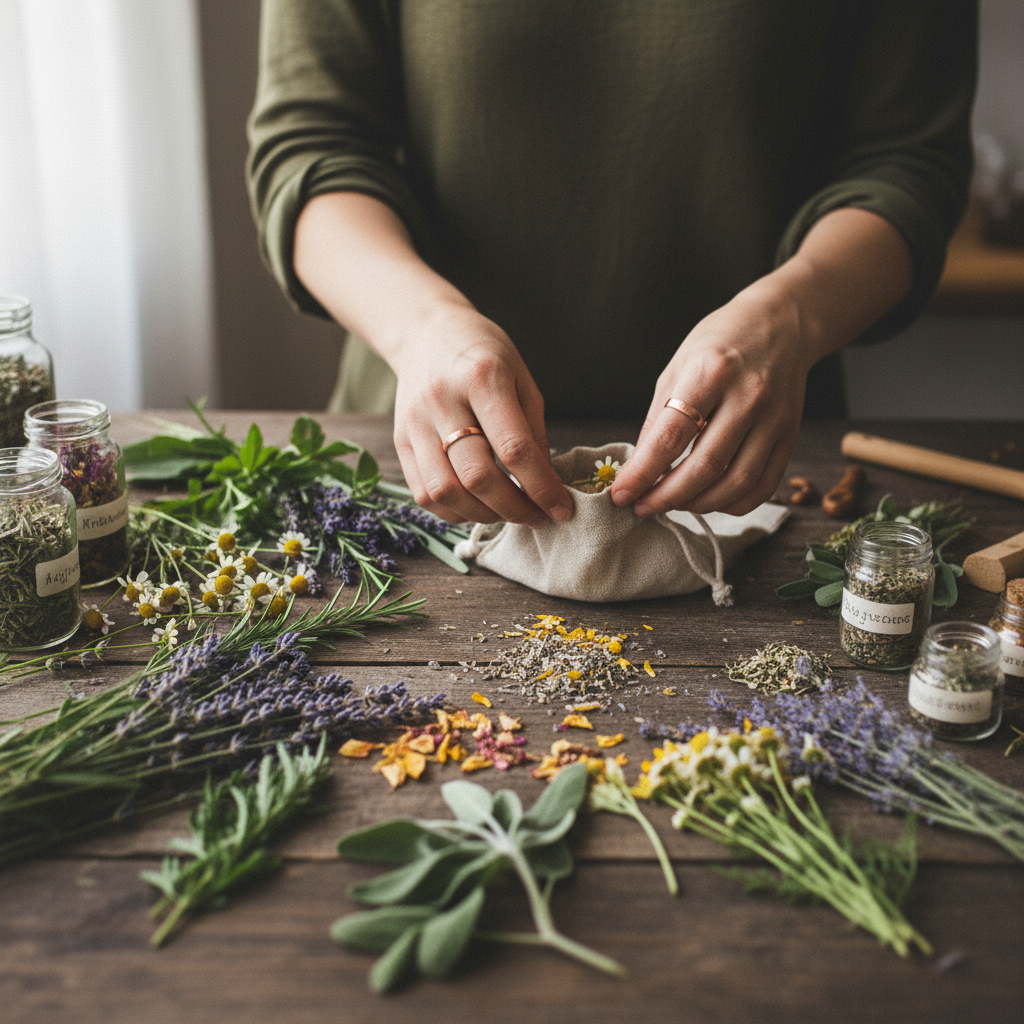
TCM contains hundreds of medicinal substances traditionally used in women's health. A few commonly discussed examples include:
Dang Gui (当归)
Dang Gui, or Chinese angelica root, is traditionally used to nourish and invigorate Blood and regulate menstruation.
It appears in many classical formulas for menstrual and women's health conditions.
Bai Shao (白芍)
White peony root is traditionally used to nourish Blood, preserve Yin, and soften the Liver. It is frequently included in formulas for menstrual discomfort and patterns involving muscle tension or abdominal cramping.
Shu Di Huang (熟地黄)
Prepared Rehmannia root is traditionally used to strongly nourish Blood and Yin and is an important ingredient in many formulas addressing deficiency patterns.
Chai Hu (柴胡)
Bupleurum root is traditionally used to regulate Liver Qi and is commonly found in formulas for Qi stagnation, emotional tension, and cyclical symptoms.
Xiang Fu (香附)
Cyperus rhizome is traditionally known for regulating Qi and menstruation. It is frequently used when menstrual symptoms are associated with Qi stagnation, such as breast tenderness, bloating, irritability, or abdominal distention.
These herbs are rarely used in isolation in traditional clinical practice. They are generally combined into formulas according to the patient's pattern.
Menopause can bring about a range of symptoms, including hot flashes, mood swings, and insomnia. TCM offers herbs like Black Cohosh and Red Clover to ease these symptoms. These herbs work by supporting the body's natural hormone regulation processes, providing relief and comfort during this transition.
Additionally, herbs such as Licorice Root are used to support adrenal function, which can be particularly beneficial during menopause when the body's hormone production shifts.
Why TCM Uses Herbal Formulas Rather Than a Single "Women's Health Herb"
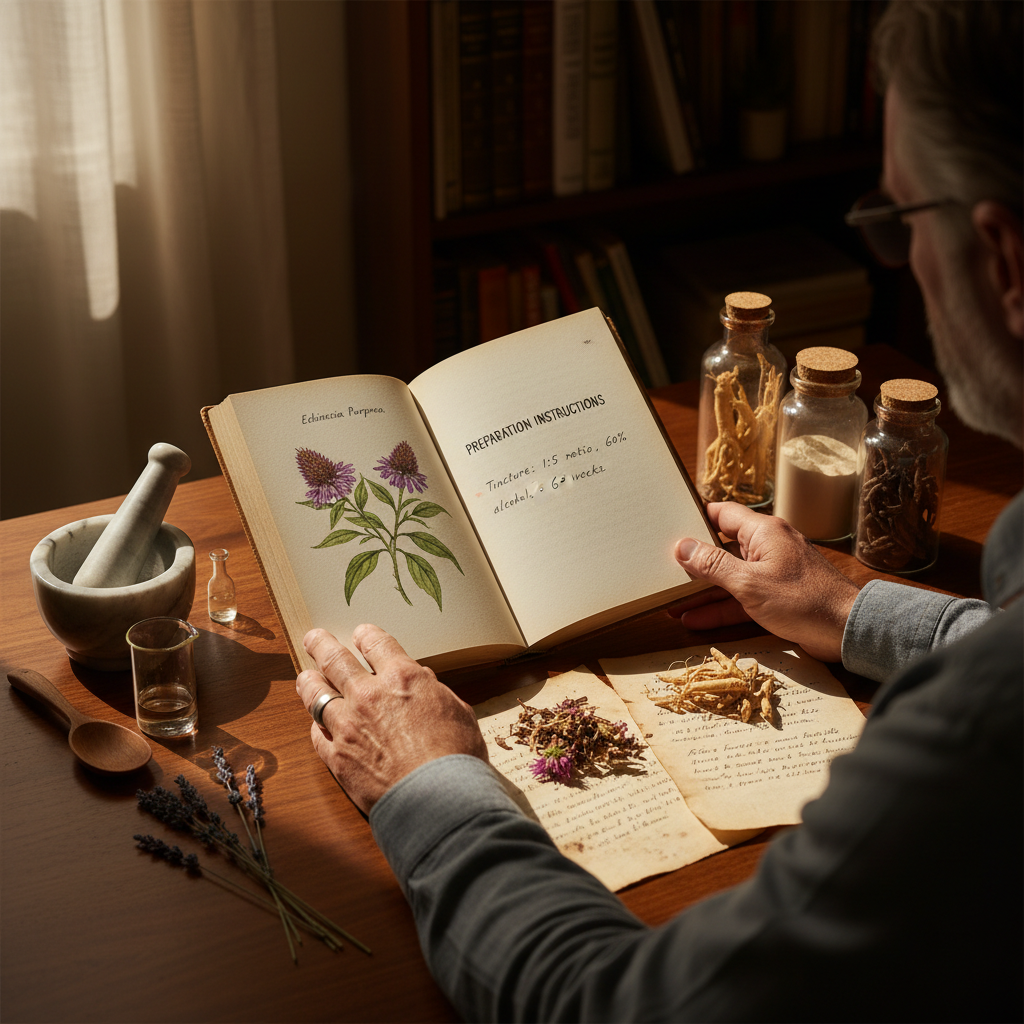
A common misconception is that there is one Chinese herb for every condition. In classical TCM, treatment is usually more individualized. For example:
Woman A:
Heavy periods + fatigue + pale tongue → Blood deficiency may be emphasized.
Woman B:
Heavy periods + dark clots + fixed abdominal pain → Blood stasis may be emphasized.
Woman C:
Irregular periods + bloating + breast tenderness + irritability → Qi stagnation may be emphasized.
Woman D:
Hot flashes + night sweats + dry mouth + red tongue → Yin deficiency may be emphasized.
Although all four women may be seeking help for "hormonal imbalance," their TCM treatments could be very different.
This pattern-based approach is one of the defining characteristics of Traditional Chinese Medicine for women's health.
Acupuncture and Chinese Herbal Medicine: A Complementary Approach
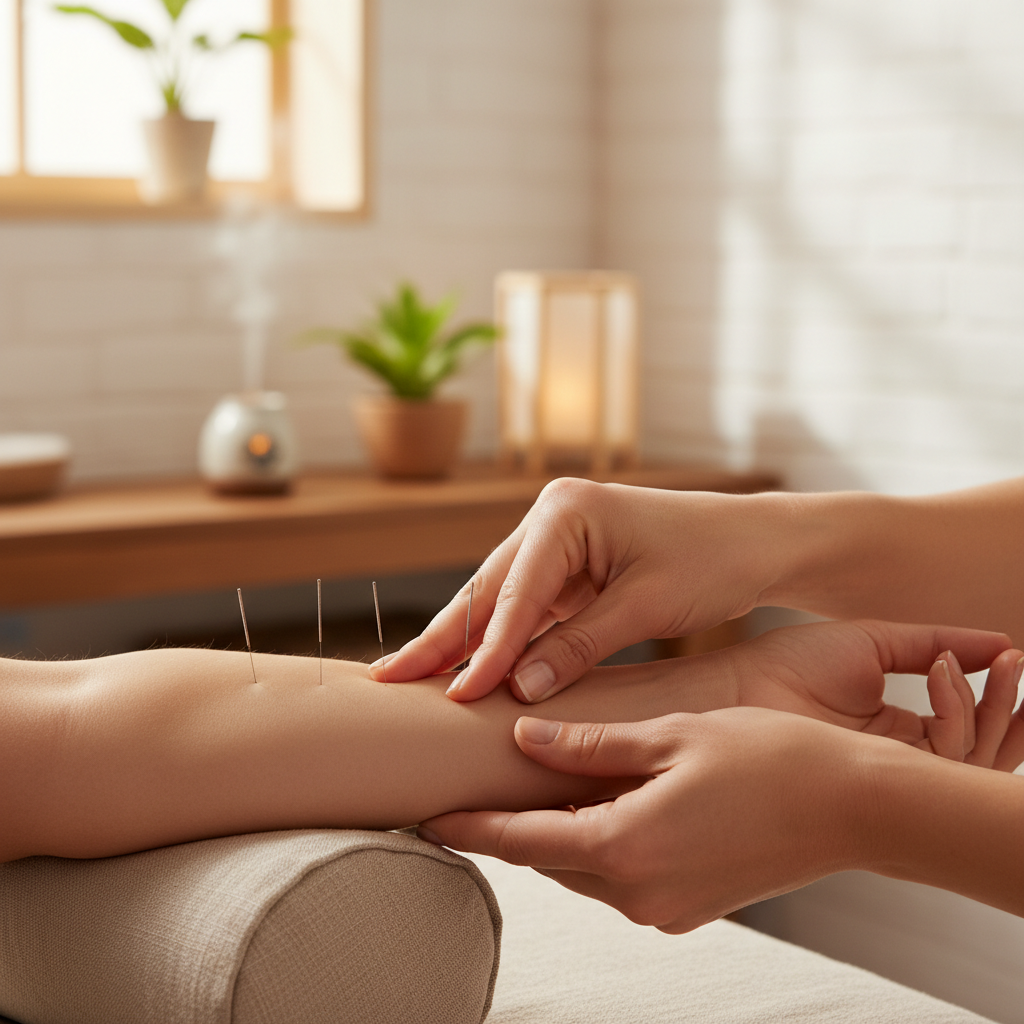
Acupuncture and herbal medicine are often used together.
Acupuncture provides a treatment that can be adjusted from visit to visit based on the patient's current symptoms, while herbal formulas can provide ongoing support between treatments.
For example, a woman experiencing PMS may receive acupuncture focused on regulating Qi and relieving tension while using an individualized herbal formula between treatments.
Someone experiencing menopausal symptoms might receive acupuncture for hot flashes, sleep disturbance, or stress while using an herbal formula selected according to their underlying TCM pattern.
The combination allows treatment to address both symptoms and underlying patterns.
For those seeking to enhance fertility, TCM provides a variety of herbal solutions. Herbs like Chinese Angelica and Rehmannia are known to nourish the blood and improve circulation, creating a more conducive environment for conception.
Is Chinese Herbal Medicine Safe?
Chinese herbal medicine should be treated as medicine—not simply as a collection of natural supplements.
Quality, identification, preparation, dosage, interactions, and individual health conditions all matter.
Women should tell their practitioner about:
Prescription medications
Over-the-counter medications
Supplements
Pregnancy or possible pregnancy
Fertility treatments
Liver or kidney disease
Upcoming surgery
Allergies
Significant chronic medical conditions
Herbal treatment also deserves particular caution during pregnancy and when taking medications that affect blood clotting, blood pressure, blood sugar, or the nervous system.
A qualified practitioner can determine whether herbal medicine is appropriate and monitor the treatment over time.
Conclusion: Embracing TCM for Women's Health
What Makes TCM Different?
Traditional Chinese Medicine does not view women's health as a collection of isolated problems.
Menstrual symptoms, digestion, sleep, stress, energy, pain, and reproductive health can all provide information about the individual's overall pattern.
Instead of asking only:
"What symptom should we treat?"
TCM also asks:
"What pattern is creating these symptoms?"
That distinction can lead to a more individualized treatment strategy.
Supporting Women's Health Through Every Stage of Life
Chinese herbal medicine has traditionally been used throughout many stages of women's health, including:
Menstrual and reproductive years
PMS and menstrual discomfort
Fertility support
Pregnancy and postpartum care
Perimenopause
Menopause
Healthy aging
The appropriate treatment changes as the body changes.
For some women, the focus may be nourishing Blood. For others, it may be regulating Qi, resolving Blood stasis, supporting Yin, strengthening Qi, or addressing digestive health.
There is no single "women's health formula."
The most appropriate herbal approach depends on the individual.
Interested in Chinese Herbal Medicine for Women's Health?
If you are experiencing menstrual changes, PMS, fertility concerns, perimenopausal symptoms, menopause-related changes, or other women's health concerns, a TCM consultation can help determine whether acupuncture, Chinese herbal medicine, or a combination of approaches may be appropriate for you.
At OLAKINO Health Center, women's health care is individualized according to your symptoms, health history, constitution, and treatment goals.
Your body is not a one-size-fits-all formula. Your treatment shouldn't be either.