Enhancing Egg Retrieval with Traditional Chinese Medicine


Preparing for an egg retrieval—whether for In Vitro Fertilization (IVF) or fertility preservation—places significant physical and emotional demands on the body. From daily hormone injections to post-procedure recovery, understanding what your body goes through is the first step toward a smoother cycle.
Increasingly, fertility patients are pairing Western reproductive medicine with Traditional Chinese Medicine (中医 / TCM)—specifically targeted acupuncture (针灸) and herbal therapy (中药方剂)—to ease side effects, improve egg quality, and support optimal recovery.

This is a comprehensive breakdown of what to expect before and after egg retrieval, how TCM supports each phase, and what clinical research reveals about long-term integrative fertility care.
Part 1: What to Expect During and After Egg Retrieval
Prep-Retrieval Symptoms (Ovarian Stimulation / 促排卵期)
During the 10-to-14-day stimulation phase, daily gonadotropin injections (FSH and LH) encourage your ovaries to mature multiple follicles simultaneously. Common physical and emotional responses include:
Abdominal Bloating and Fullness: As multiple follicles grow, the ovaries expand, creating a heavy or tight sensation in the lower abdomen.
Breast Tenderness: Surging estrogen levels frequently cause soreness and sensitivity.
Mood Swings and Fatigue: Rapid hormonal fluctuations can trigger irritability, anxiety, or exhaustion.
Mild Pelvic Cramping: Intermittent twinges or pressure as follicles reach maturity.
Injection Site Reactions: Localized redness, mild bruising, or tenderness.
Post-Retrieval Symptoms and Recovery Timeline (取卵后恢复期)
Egg retrieval is a 20-to-30-minute outpatient procedure performed under light sedation. Afterward, your body processes both the needle aspiration and a sudden hormonal shift:
- Cramping and Bloating: Mild-to-moderate cramping and water retention are common, with bloating typically peaking 2 to 4 days post-retrieval.
- Light Spotting and Constipation: Minor vaginal spotting may last a few days, while anesthesia and elevated progesterone often slow digestion.
The Post-Retrieval Period: Your period usually arrives 7 to 14 days after retrieval and is often heavier than usual.
Return to Normal: Most patients resume light daily activities within 24 to 48 hours, feel physically recovered within 3 to 5 days, and achieve a full ovarian and hormonal reset once their first post-retrieval menstrual cycle concludes (roughly 2 to 4 weeks).
(Note: Severe abdominal pain, rapid weight gain, nausea, or shortness of breath require immediate medical attention to rule out Ovarian Hyperstimulation Syndrome [OHSS / 卵巢过度刺激综合征].)

Part 2: The TCM Approach to Egg Retrieval Support
In Traditional Chinese Medicine, fertility support follows a "staged regulation" (分期论治、顺应周期) framework. Because human follicles take roughly 90 days to mature from dormant primordial follicles to ovulation, TCM emphasizes starting foundational care 3 to 6 months before retrieval, while shifting to gentle symptom relief during active stimulation and recovery.
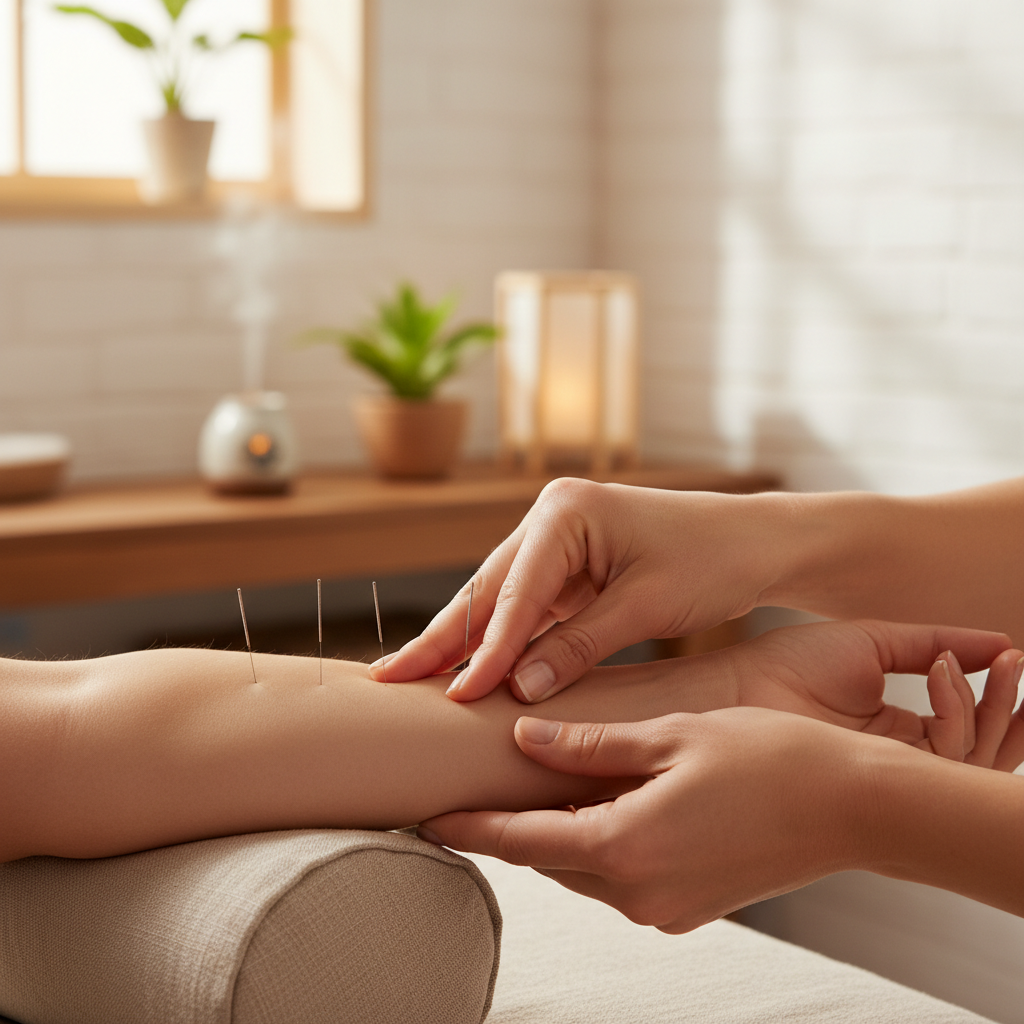
1. Pre-Retrieval Preparation: Nourishing Egg Quality & Easing Injection Side Effects
Goal: Tonify Kidney essence (补肾填精) to support oocyte quality and quantity, warm the uterus (温肾暖宫) for sluggish follicle growth, soothe Liver Qi (疏肝理气) to relieve stress and breast tenderness, and strengthen the Spleen (健脾化湿) to prevent fluid retention.
Targeted Herbal Formulas & Key Herbs (typically taken 1–3 months prior to stimulation and paused once hormone injections begin):
Kidney Yin Deficiency / Slow Follicle Growth (肾阴虚 / 卵泡发育慢、基础卵泡少): Formulas like Zuo Gui Wan (左归丸) or Er Zhi Wan (二至丸) utilizing Shu Di Huang (熟地黄), Shan Zhu Yu (山茱萸), Gou Qi Zi (枸杞子), Nu Zhen Zi (女贞子), and Han Lian Cao (旱莲草) to nourish Kidney Yin and enrich essence.
Kidney Yang Deficiency / Uterine Coldness (肾阳虚 / 宫寒、畏寒、卵泡动力不足): Formulas like You Gui Wan (右归丸) or Yu Lin Zhu (毓麟珠) utilizing Tu Si Zi (菟丝子), Fu Pen Zi (覆盆子), Yin Yang Huo (淫羊藿), and Rou Cong Rong (肉苁蓉) to warm Kidney Yang, dispel cold from the uterus, and boost follicular developmental drive.
Liver Qi Stagnation / Mood Swings & Breast Tenderness (肝郁气滞 / 情绪波动、乳房胀痛): Xiao Yao San (逍遥散) or Chai Hu Shu Gan San (柴胡疏肝散) featuring Chai Hu (柴胡), Bai Shao (白芍), Dang Gui (当归), Xiang Fu (香附), and Yu Jin (郁金) to soothe the Liver and regulate Qi and blood.
Spleen
Deficiency with Dampness / Bloating & Fatigue (脾虚湿盛 / 促排后腹胀、水肿、疲倦): Shen Ling Bai Zhu San (参苓白术散) or Xiang Sha Liu Jun Zi Tang (香砂六君子汤) with Dang Shen (党参), Chao Bai Zhu (炒白术), Fu Ling (茯苓), and Chen Pi (陈皮) to support digestion and fluid metabolism.
Acupuncture Point Combinations (针灸穴位组合):
Ovarian Blood Flow & Follicle Nourishment (养卵与改善卵巢血流): Guanyuan (关元 CV4), Qihai (气海 CV6), Zigong (子宫穴 EX-CA1), Sanyinjiao (三阴交 SP6), and Taixi (太溪 KI3) to enhance pelvic microcirculation and nourish developing follicles.
Calming Anxiety & Bloating During Injections (促排期缓解腹胀与焦虑): Taichong (太冲 LR3), Hegu (合谷 LI4 — 开四关), Neiguan (内关 PC6), Zusanli (足三里 ST36), and Yinlingquan (阴陵泉 SP9) to regulate the nervous system and prevent fluid buildup.
Pre-Retrieval Relaxation (24–48 Hours Prior / 取卵前辅助松弛与镇痛): Baihui (百会 GV20), Shenmen (神门 HT7), Sanyinjiao (三阴交 SP6), and Hegu (合谷 LI4) to relax pelvic floor tension and ease procedural nerves.
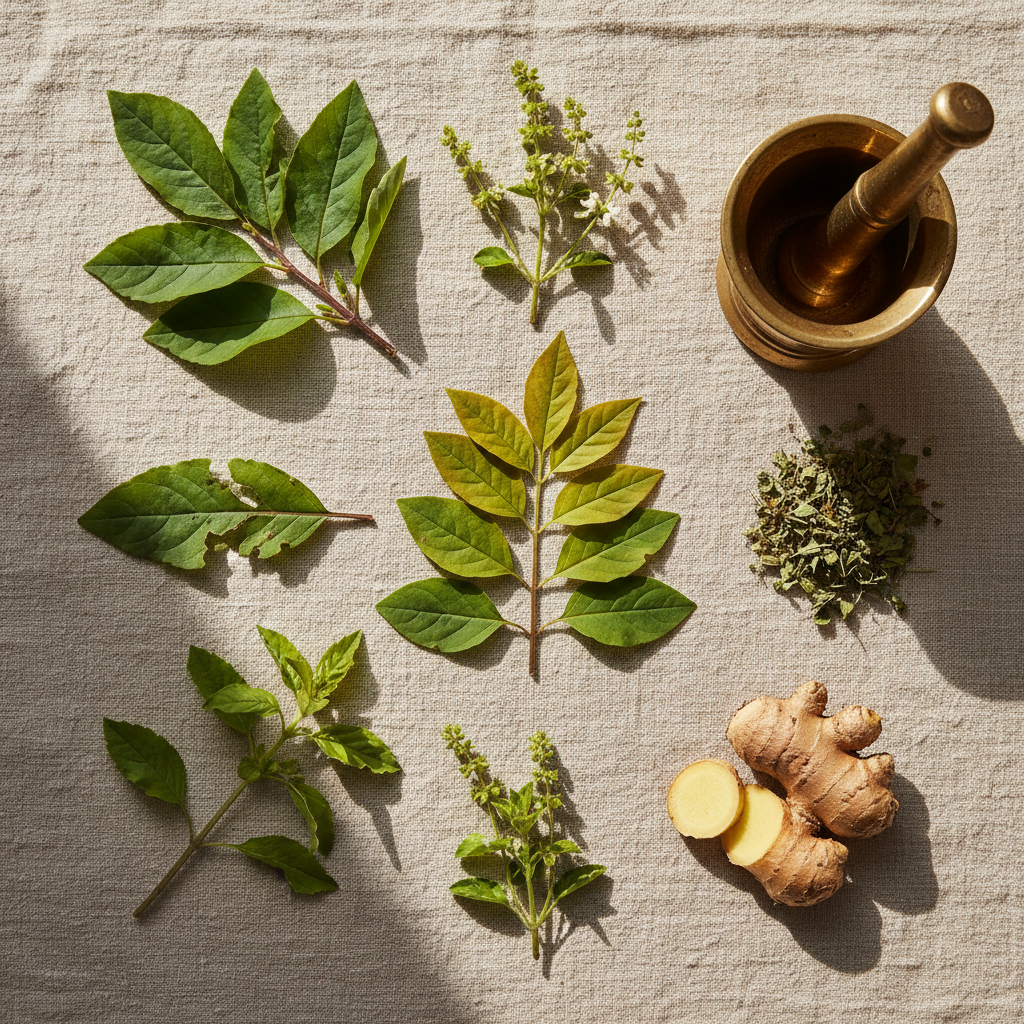
2. Post-Retrieval Recovery: Reducing Bloating, Swelling, and Discomfort
Goal: Drain excess abdominal fluid (健脾利水消胀) to reduce OHSS risk, promote gentle pelvic circulation (活血化瘀) for ovarian healing, and replenish energy (益气养血).
Targeted Herbal Formulas & Key Herbs:
Fluid Drainage & Bloating Relief (健脾利水、预防轻度腹水): Wu Ling San (五苓散) or Fang Ji Huang Qi Tang (防己黄芪汤), utilizing Fu Ling (茯苓), Ze Xie (泽泻), Zhu Ling (猪苓), Sheng Bai Zhu (生白术), and Da Fu Pi (大腹皮) to gently clear interstitial fluid.
Pelvic Healing & Cramp Relief (活血止痛、化瘀生新): Dang Gui Shao Yao San (当归芍药散) or Gui Zhi Fu Ling Wan (桂枝茯苓丸) featuring Dang Gui (当归), Chuan Xiong (川芎), Chi Shao (赤芍), and Dan Shen (丹参) to ease post-aspiration cramping and support tissue repair. (Note: Avoid blood-moving herbs if preparing for an immediate fresh embryo transfer.)
Post-Anesthesia Fatigue (益气养血、恢复体力): Modified Ba Zhen Tang (八珍汤) with Huang Qi (黄芪), Dang Shen (党参), Dang Gui (当归), and Shu Di Huang (熟地黄) to rebuild Qi and blood.
Acupuncture Point Combinations (针灸穴位组合):
De-Bloating & Bowel Motility (利水消胀、调节肠胃): Shuifen (水分 CV9), Tianshu (天枢 ST25), Zusanli (足三里 ST36), Yinlingquan (阴陵泉 SP9), and Fenglong (丰隆 ST40) to resolve water retention and anesthesia-induced constipation.
Pain Relief & Nervous System Recovery (止痛与安神恢复): Sanyinjiao (三阴交 SP6), Xuehai (血海 SP10), Neiguan (PC6 内关), and Shenmen (神门 HT7) to calm uterine cramping and post-sedation nausea.

Key Takeaways
1. Start Early for Egg Quality: Begin TCM herbs and acupuncture 3 to 6 months before your planned retrieval to support the full 90-day follicular maturation window.
2. Coordinate with Your Reproductive Endocrinologist: Always disclose herbal supplements to your fertility clinic. Most practitioners recommend pausing oral herbs once daily hormone injections begin (进入促排启动日后暂停口服中药), continuing solely with acupuncture through retrieval and recovery.
3. Choose Qualified Practitioners: Work with a licensed acupuncturist and herbalist certified in reproductive medicine (such as ABORM fellows) who understands IVF medication protocols.
Clinical References & Citations
Pain Management During Retrieval: Budianto, R., et al. (2021/2025). Efficacy of acupuncture as an adjunct analgesia for oocyte retrieval: A systematic review and meta-analysis. BMC Complementary Medicine and Therapies. Read via PubMed Central
Oocyte Quality & Ovarian Reserve: Zhang, Y., et al. (2025). Effects of Traditional Chinese Medicine on Oocyte Quality and Pregnancy Outcomes in Assisted Reproductive Technology: A Systematic Review and Meta-Analysis. Healthcare, 13(11), 1326. Read via MDPI
Poor Ovarian Response & Embryo Outcomes: Wang, X., et al. (2023). Chinese herbal medicine combined with IVF-ET for poor ovarian response: A systematic review and meta-analysis. Integrative Medicine Research, 12(2). Read via ScienceDirect
Long-Term Whole-Systems TCM & Live Births: Hullender Rubin, L. E., Opsahl, M. S., Wiemer, K. E., Mist, S. D., & Caughey, A. B. (2015). Impact of whole systems traditional Chinese medicine on in-vitro fertilization outcomes. Reproductive BioMedicine Online, 30(6), 602–612.
Pelvic Blood Flow & Acupuncture: Stener-Victorin, E., Waldenström, U., Andersson, S. A., & Wikland, M. (1996). Reduction of blood flow impedance in the uterine arteries of infertile women with electro-acupuncture. Human Reproduction, 11(6), 1314–1317.