Combining Acupuncture and Physical Therapy for Better Pain Relief


Understanding Acupuncture and Physical Therapy
When pain, stiffness, or an injured joint limits your mobility, physical therapy is often a critical step in your recovery. However, acute pain itself can quickly become a barrier to rehabilitation. When movement hurts, patients naturally avoid exercise, develop protective muscle tension, and struggle to perform the movements necessary to restore their strength.
This is where the powerful combination of acupuncture and physical therapy comes into play. While they are distinct disciplines, using them together can break the cycle of pain and accelerate your healing.
Acupuncture and physical therapy target healing from different angles:
Acupuncture: An ancient practice rooted in Traditional Chinese Medicine (TCM) that involves inserting fine, sterile needles into specific points on the body to stimulate natural healing.
Acupuncture works by stimulating the body's nervous system. This stimulation prompts the brain to release endorphins—the body's natural, chemical pain killers.
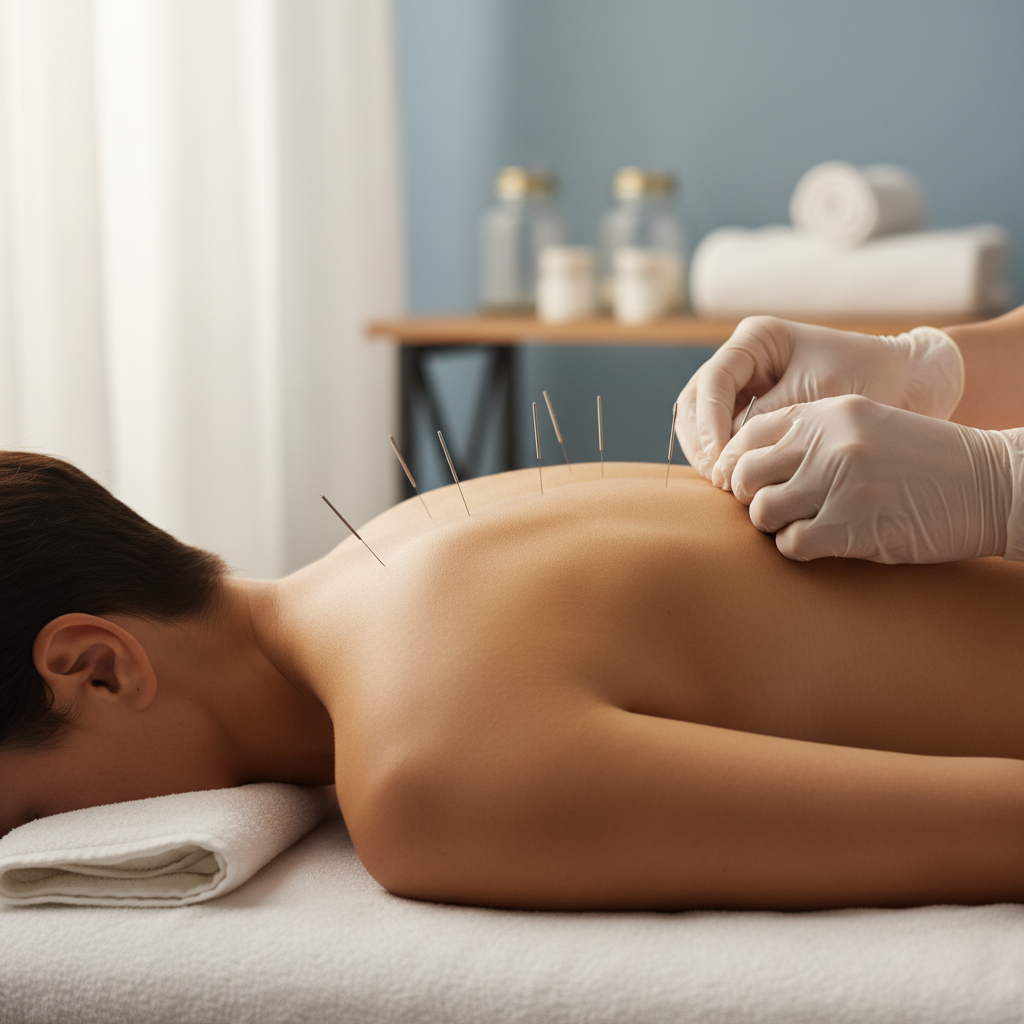
Beyond immediate pain relief, acupuncture promotes deep muscle relaxation, increases localized blood flow, and reduces systemic stress. Clinical research supports its efficacy, showing that acupuncture is a highly effective treatment for chronic pain conditions like arthritis, sciatica, and migraines.
Acupuncture is commonly used for musculoskeletal pain, including:
Knee osteoarthritis
Low back pain
Neck and shoulder pain
Hip pain
Sports injuries
Tendon and muscle pain
Joint stiffness
Chronic pain conditions
Physical Therapy (PT): While acupuncture addresses pain pathways, physical therapy aims to rebuild the body. Physical therapists design customized rehabilitation plans tailored to your specific biomechanical needs. PT is a modern medical discipline focused on targeted exercises, stretches, and manual techniques designed to improve physical movement, strength, and function.
Core benefits of physical therapy include:
- Strengthening weak or injured muscle groups
- Restoring joint flexibility and overall range of motion
- Correcting posture and movement patterns to prevent re-injury
- Enhancing coordination, balance, and physical endurance
Synergy: Why They Work Better Together
When you integrate acupuncture and physical therapy, you get a comprehensive treatment plan that addresses both immediate symptoms and root causes. By combining these two approaches, patients can experience enhanced, faster pain relief and a more well-rounded recovery.
Acupuncture can complement physical therapy by directly reducing localized pain and muscle tension. By lowering your pain levels first, acupuncture drastically improves your movement tolerance. This makes it much easier and more comfortable to perform your physical therapy exercises effectively, leading to faster long-term recovery and improved overall well-being.
Research increasingly supports an integrated approach in which acupuncture addresses pain and other symptoms while physical therapy and therapeutic exercise progressively rebuild strength, mobility, coordination, and function.
One of the potential advantages of acupuncture during rehabilitation is that its effects can occur relatively early in the treatment process. By reducing pain and muscle guarding, acupuncture may help patients move more comfortably and participate more fully in therapeutic exercise.
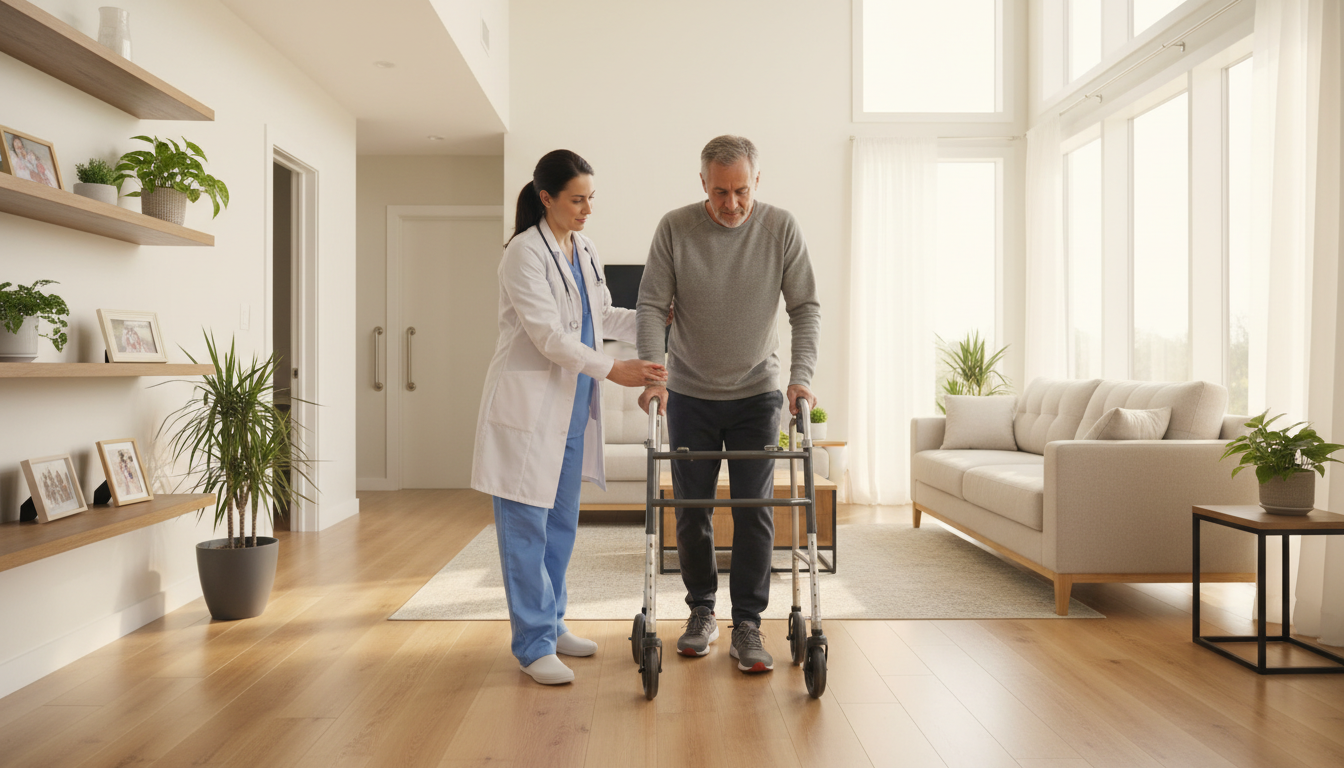
This does not mean that acupuncture replaces physical therapy. Rather, the two treatments can address different aspects of recovery.
Acupuncture → pain modulation and improved movement tolerance
Physical therapy → strength, mobility, coordination, stability, and progressive loading
Together, these approaches can provide a more comprehensive rehabilitation strategy.
FAQs
1. Can acupuncture help with pain relief?
Acupuncture may help reduce pain from a range of musculoskeletal conditions, including back pain, neck pain, osteoarthritis, and some types of joint and nerve-related pain. Research suggests that acupuncture can provide short-term pain relief and, for some conditions, improve physical function.
For osteoarthritis, a Cochrane review of 16 trials involving 3,498 participants found statistically significant short-term improvements in pain and function compared with sham acupuncture. However, the average differences were small and did not meet the review’s thresholds for clinical importance. This means results vary, and acupuncture should be considered as one part of an individualized care plan. (Cochrane review )
2. Can acupuncture help me get more out of physical therapy?
Acupuncture and physical therapy can complement each other. Acupuncture may help reduce pain and muscle guarding, making it more comfortable to move. Physical therapy then uses targeted exercises and progressive loading to improve strength, flexibility, balance, joint control, and activity tolerance.
A 2023 systematic review and meta-analysis of 11 randomized trials involving 774 people with knee osteoarthritis found that acupuncture combined with active exercise improved pain and several functional outcomes compared with acupuncture alone. A 2024 randomized trial also reported better short-term outcomes with acupuncture plus exercise rehabilitation than with either treatment alone. These findings support considering an integrated approach, although results may differ by condition and treatment plan. (2023 review ; 2024 randomized trial )
3. Is acupuncture better than physical therapy?
There is no evidence that acupuncture is universally better than physical therapy. The treatments have different roles: acupuncture is often used to address pain and muscle tension, while physical therapy focuses on restoring strength, mobility, coordination, and function.
In a randomized study of 100 people with knee osteoarthritis, acupuncture and physiotherapy produced similar improvements in pain and function at the end of treatment and at 12-week follow-up. For many patients, the decision is not necessarily one treatment or the other—combining approaches may be appropriate when pain is limiting participation in rehabilitation. (Clinical trial )
4. Can acupuncture help with knee pain or knee arthritis?
Yes. Acupuncture may help reduce knee pain and improve function in some people with knee osteoarthritis. It may be particularly helpful as part of a broader plan that includes strengthening, mobility work, and activity modification.
Research on acupuncture for osteoarthritis has found modest average benefits compared with sham acupuncture, while studies combining acupuncture with exercise have reported improvements in pain and function. Acupuncture does not regenerate lost cartilage or reverse structural arthritis, but symptom relief may help patients move more comfortably and participate in exercise-based rehabilitation. (Cochrane osteoarthritis review ; acupuncture plus exercise review )
5. Can acupuncture help with shoulder pain?
Yes. Acupuncture may be considered for shoulder pain associated with muscle tension, restricted movement, or certain chronic shoulder conditions. Treatment is individualized according to the likely source of pain—such as the rotator cuff, surrounding muscles, or shoulder joint—and the patient’s movement limitations.
For persistent shoulder pain, acupuncture may be used alongside physical therapy. PT can address shoulder mechanics, rotator-cuff and scapular strength, and gradual return to lifting or overhead activity. The strength of evidence varies by specific shoulder diagnosis, so it is important not to assume that results from one shoulder condition apply to all others.
6. Can acupuncture help with shoulder impingement or rotator-cuff-related pain?
Yes. Acupuncture may help reduce shoulder pain and improve function in some patients, including people with shoulder impingement symptoms. A 2024 systematic review and meta-analysis of five randomized trials found improvements in pain and shoulder function/disability with acupuncture. The authors cautioned that the number of studies was limited and that further research is needed. (2024 systematic review )
A broader 2026 systematic review of 10 studies involving 748 adults found mixed results across shoulder conditions, including impingement and frozen shoulder. This suggests acupuncture may help some patients, but outcomes depend on the diagnosis and the evidence remains uncertain. (2026 systematic review )
When shoulder pain limits reaching, lifting, or sleeping comfortably, acupuncture may be combined with PT to address pain while rehabilitation works on shoulder mobility, rotator-cuff strength, and scapular control.
7. Can acupuncture help with hip pain?
Yes. Acupuncture may help some people with hip pain, but the evidence is less certain than it is for knee osteoarthritis or low back pain.
A systematic review of 12 randomized trials involving 806 people with hip pain found potential benefits, including in some studies where acupuncture was added to conventional care. The stuy showed acupuncture for faster, long-lasting relief. The acupuncture cohorts demonstrated lower immediate post-treatment pain scores and superior sustained relief during follow-up phase.
7. Can acupuncture help with SI joint pain?
Yes. Acupuncture may help reduce pain and muscle tension around the low back, buttock, and pelvic region, which can be relevant for some people diagnosed with sacroiliac (SI) joint pain. However, direct high-quality research specifically on acupuncture for SI joint pain is limited, and evidence from general low-back-pain studies cannot establish that acupuncture treats the SI joint itself.
A careful assessment is important because pain in the SI region can also arise from the lumbar spine, hip, surrounding muscles, or other conditions. When appropriate, acupuncture may be paired with physical therapy focused on movement control, hip and trunk strength, and graded return to activity.
8. Can acupuncture help with sciatica or pain that travels down the leg?
Yes. Acupuncture may help reduce pain associated with sciatica, which commonly involves pain radiating from the low back or buttock down the leg. A systematic review and meta-analysis of 30 randomized trials involving 2,662 participants reported better pain outcomes with acupuncture than with medication-based treatment. However, the review also found substantial variation among studies, and the certainty of evidence for some pain outcomes was very low. (Systematic review and meta-analysis )
Acupuncture may be used as part of a care plan that also includes appropriate movement, exercise, and medical assessment when needed. New or progressive leg weakness, saddle numbness, or loss of bowel or bladder control requires urgent medical evaluation rather than acupuncture alone.
9. How many acupuncture sessions are usually needed?
The number of sessions depends on the condition, how long symptoms have been present, symptom severity, and the patient’s response. Some people notice changes after an initial treatment, while chronic or longstanding problems often require a course of care.
A practical plan includes reassessing pain, movement, and function at regular intervals. Progress should be measured not only by pain scores, but also by meaningful goals such as walking farther, climbing stairs, reaching overhead, sitting comfortably, or participating in PT with less difficulty.
10. Does acupuncture heal cartilage, repair a torn labrum, or fix a structural joint problem?
Acupuncture may help reduce pain and improve function, but it has not been established as a way to regenerate cartilage or repair a torn labrum, ligament, or tendon. Symptom relief does not necessarily mean that the underlying tissue has structurally healed.
For structural injuries, treatment should be guided by an appropriate medical assessment. Acupuncture may be used to manage symptoms while a rehabilitation plan addresses strength, mobility, and safe return to activity.
11. Is acupuncture safe to use with physical therapy?
Acupuncture is generally well tolerated when performed by a properly trained, licensed practitioner using sterile, single-use needles. Temporary soreness, minor bleeding, or bruising can occur. As with any treatment, the practitioner should know about relevant medical conditions, medications—especially blood thinners—and any recent surgery or implanted medical devices.
Acupuncture and PT can often be coordinated, with treatment timing adjusted to the patient’s comfort and rehabilitation schedule.
12. Where can I get acupuncture for pain relief in San Francisco?
At OLAKINO Health Center, acupuncture care is individualized to your symptoms, health history, and functional goals. If pain is interfering with work, exercise, sleep, or physical therapy, acupuncture may be considered as part of a coordinated plan for pain management and recovery.
The goal is not simply to reduce discomfort—it is to help you move more comfortably and work toward the activities that matter to you.
Clinical Research References
Wang Y, et al. Efficacy of acupuncture combined with active exercise training in improving pain and function of knee osteoarthritis individuals: a systematic review and meta-analysis. Journal of Orthopaedic Surgery and Research. 2023.
Acupuncture for osteoarthritis. Cochrane Database of Systematic Reviews. Review of 16 trials involving 3,498 participants.
Acupuncture for hip osteoarthritis. Cochrane Database of Systematic Reviews. Review of six trials involving 413 participants.
Acupuncture Treatment for Hip Pain: A Systematic Review and Meta-Analysis. Healthcare. 2023.
Tu JF, et al. Acupuncture vs Sham Acupuncture for Chronic Sciatica From Herniated Disk: A Randomized Clinical Trial. JAMA Internal Medicine. 2024;184(12):1417–1424.
Comparison of Efficacy between Acupuncture Therapies in Improving Sacroiliac Joint Malposition: A Systematic Review and Meta-Analysis.