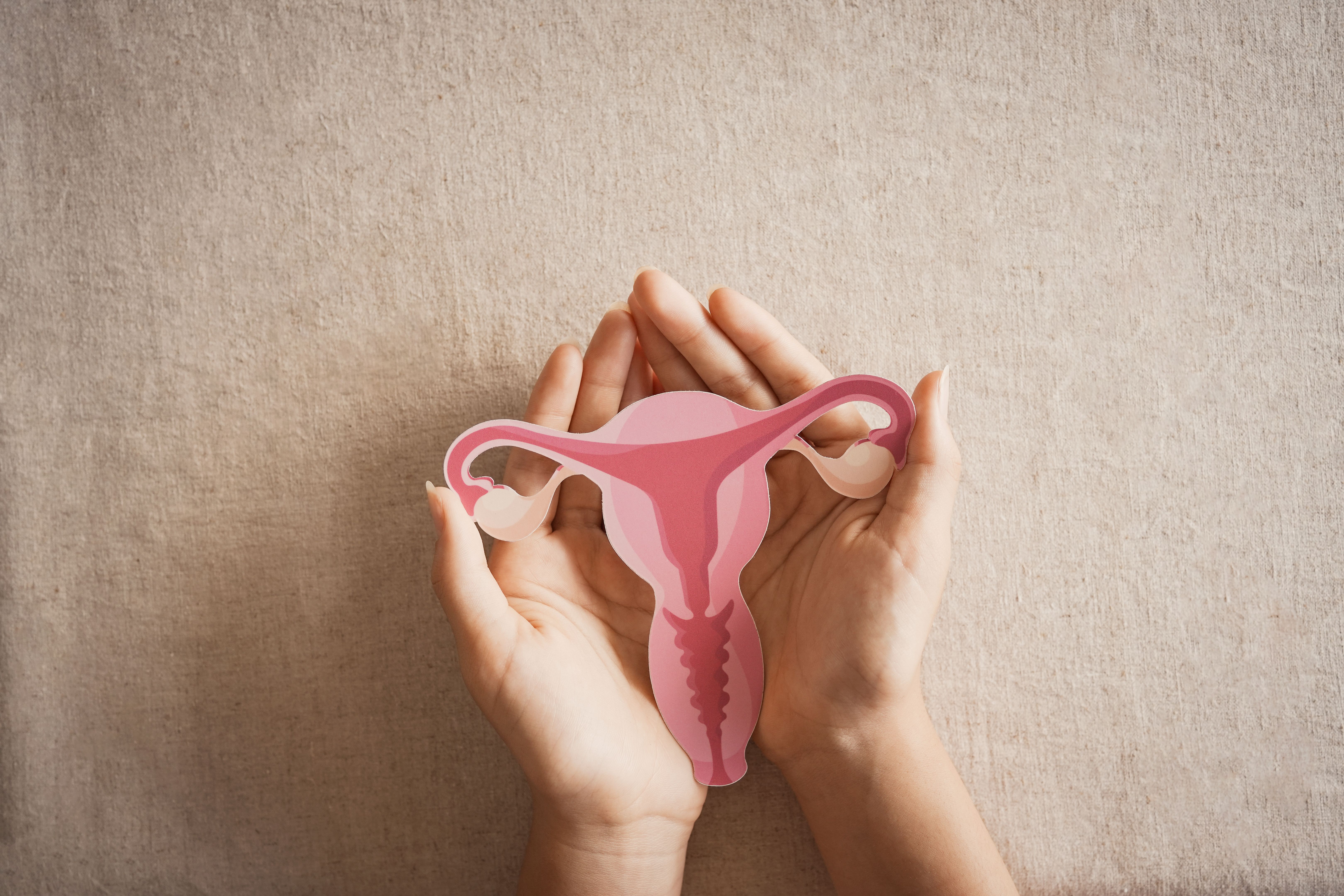
Balancing Women's Health: The Role of Traditional Chinese Medicine (TCM) with Hormones and Menstruation


Understanding Traditional Chinese Medicine (TCM)
Traditional Chinese Medicine (TCM) is a holistic approach to health that has been practiced for thousands of years. It involves a combination of herbal medicine, acupuncture, dietary therapy, and more. TCM focuses on balancing the body’s energy and blood flow to promote overall wellness.
Women’s health is a significant area where TCM can play a vital role. By addressing hormonal imbalances and menstrual issues, TCM offers a natural alternative for those seeking to improve their health and well-being.
A TCM View of Female Hormones & Menstrual Regulation
Menstruation is not a single event—it is the visible expression of a finely tuned conversation between the brain, hormones, blood, and internal organs. In Traditional Chinese Medicine (TCM), this monthly rhythm reflects the harmonious interaction of Qi, Blood, Yin, Yang, and the Chong and Ren vessels. When this harmony is disrupted, menstrual symptoms arise.
Hormones play a crucial role in regulating many bodily functions, including growth, metabolism, and reproduction. For women, maintaining hormonal balance is essential for a healthy menstrual cycle, fertility, and overall well-being.
Modern medicine describes this process through hormones such as estrogen, progesterone, FSH, LH, prostaglandins, and cortisol. TCM describes the same physiology through functional systems—particularly the Liver, Spleen, Kidney, and Heart—each playing a distinct yet interconnected role.
Imbalances can lead to problems such as irregular periods, mood swings, and even more serious conditions like polycystic ovary syndrome (PCOS) and infertility. TCM offers a unique approach to addressing these issues by restoring balance through natural methods.
Rather than targeting a single hormone, TCM focuses on restoring communication within the entire system, allowing hormones to regulate themselves more smoothly.

How TCM Understands Key Female Hormones
Estrogen → Yin, Blood, and Liver Regulation
Estrogen supports the growth of the uterine lining and maintains elasticity and lubrication throughout the body. In TCM, this aligns with Yin and Blood, governed primarily by the Liver and Kidney.
When Yin or Blood is insufficient, women may experience: scanty or delayed periods, dryness, night sweats, anxiety or poor sleep before menses.
TCM approach: Nourish Blood and Yin, Support Liver flow
Common herbs and formulas may include Dang Gui (当归), Shu Di Huang (熟地黄), Bai Shao (白芍), and formulas such as Si Wu Tang or Liu Wei Di Huang Wan (when appropriate).
Progesterone → Yang, Containment, and Stability
Progesterone stabilizes the uterine lining after ovulation and supports implantation. In TCM, this function corresponds to Kidney Yang and the ability to “hold and secure”.
When this function is weak, symptoms may include: short luteal phase, premenstrual spotting, fatigue, low back soreness, feeling cold or depleted
TCM approach: Strengthen Kidney Qi and Yang, Support Chong and Ren vessels
Formulas such as Gui Zhi Long Gu Mu Li Tang, Jin Gui Shen Qi Wan, or modified tonics may be used based on the constitution.
FSH & LH → Kidney Essence and Reproductive Timing
FSH and LH regulate follicle development and ovulation. In TCM, this timing mechanism is governed by Kidney Essence (Jing) and the Chong Vessel, often called the “Sea of Blood.”
Disruptions may present as: irregular cycles, anovulation, early ovarian aging or diminished reserve
TCM approach: nourish Kidney Essence, Harmonize Yin and Yang
Acupuncture and herbal strategies aim to improve signaling rather than force ovulation.

Prostaglandins → Blood Stasis and Inflammatory Heat
Prostaglandins drive uterine contractions. When excessive, they lead to: severe cramps, clots, headaches, diarrhea, or rectal pressure around menses
In TCM, this reflects Blood Stasis, Liver Qi stagnation, or Heat in the Blood.
TCM approach: move Qi and Blood, Cool excessive Heat, Gently regulate uterine contractions.
Acupuncture points such as SP6 (三阴交), LV3 (太冲), LI4 (合谷), and SP8 (地机) are commonly used, alongside formulas like Dan Zhi Xiao Yao San, Shao Fu Zhu Yu Tang, or other tailored prescriptions.
Stress Hormones (Cortisol) → Liver Qi Constraint
Chronic stress directly affects menstrual regularity. In TCM, stress primarily constrains the Liver, which is responsible for the smooth flow of Qi and Blood.
This may cause: PMS, breast tenderness, mood swings, irregular or painful periods.
TCM approach: Soothe the Liver, Regulate emotions and digestion
Acupuncture works through the nervous system to calm overactivation, while formulas like Xiao Yao San help restore internal rhythm.
How Acupuncture Regulates the Hormonal System
Acupuncture does not “add” hormones. Instead, it:
- Modulates the hypothalamic–pituitary–ovarian (HPO) axis
- Improves pelvic blood flow
- Reduces inflammatory signaling
- Calms the autonomic nervous system
Key points often include:
SP6 (三阴交) – hormonal coordination
CV4 (关元) – uterine and Kidney support
HT7 (神门) – emotional regulation
PC6 (内关) – stress and neuroendocrine balance
Over time, this allows the body to re-establish its own hormonal intelligence.
A Systems-Based Approach to Menstrual Health
From a TCM perspective, menstrual issues are rarely isolated to the uterus alone. They reflect how well the entire system is communicating—blood with qi, yin with yang, body with mind.
By combining: Acupuncture, Herbal medicine, Dietary and lifestyle guidance, TCM offers a gentle yet powerful way to restore menstrual harmony, whether the concern is pain, irregularity, heavy bleeding, PMS, or fertility support.
As we often say in Chinese medicine:
“When Qi flows freely and Blood is sufficient, the menses arrive in peace.”
Integrating TCM into Modern Life
Integrating TCM into modern healthcare can offer a comprehensive approach to women’s health. By combining traditional methods with contemporary insights, women can achieve a balanced lifestyle that supports their hormonal and menstrual health.
Consulting with a qualified TCM practitioner can provide personalized guidance and treatment plans. This holistic approach not only addresses symptoms but also focuses on preventing future health issues.
For those seeking natural and effective ways to manage their hormonal and menstrual health, TCM offers time-tested solutions that promote harmony and well-being.